Friday, July 24, 2009

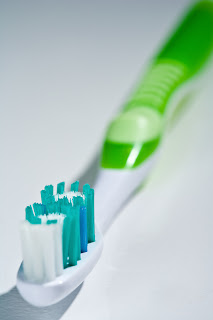
Taking Care of Your Toothbrush, from Dr. Patel

You know your toothbrush is a vital tool for the proper care of your teeth – but do you know the best way to take care of your toothbrush? Following are some guidelines for toothbrush care from 19th Street Dental:


One toothbrush should have one owner.

If you share your toothbrush, you could also be sharing bodily fluids and bacteria, increasing your risk of infection.

Toothbrushes need privacy, too.

For the same reason, when storing brushes, make sure they are placed in such a way that they can't touch each other.

Give your toothbrush some space.

Keep your brush in a clean, well-ventilated spot and make sure it has time to dry in between uses. Keeping your toothbrush in a closed, moist space regularly can encourage the growth of germs.

Showering is good for your toothbrush.

Before and after each use, rinse your toothbrush under running water to eliminate excess toothpaste and other residue. Rub your fingers along the bristles – but only after washing your hands; no use substituting one set of germs for another. When you're finished, shake out the brush to accelerate drying.

Let your toothbrush indulge in a nice bath.

You may be able to reduce the amount of bacteria on your brush by soaking it in anti-bacterial mouthwash after each use.

Don't get too attached to your toothbrush.

Swap your old toothbrush for a new one at least as often as every three to four months. Keep an eye out for frayed bristles and replace sooner if necessary. The more worn the bristles, the less effective brushing is. Of course, if you've been sick with the flu, a cold, or a mouth infection, say goodbye to your toothbrush and move on to a new, germ-free one immediately.

Beware of too-good-to-be-true toothbrush-cleaning products.

Some products profess to being designed to "sanitize" your toothbrush. According to the American Dental Association (ADA), there is no conclusive evidence that these products provide any particular benefit to your health. The ADA also encourages consumers to be wary of products claiming to "sterilize" your toothbrush, as there is currently no data to support such claims.

Don't trust Aunt Minnie's toothbrush-cleaning advice.

Although they certainly mean well, and they're clearly creative, your friends and relatives with home-cooked ideas about cleaning toothbrushes may not be the safest sources of information. Dishwashers, microwaves, and boiling water are no substitute for simply buying a new brush – and in fact could damage your brush, rendering it less effective.

Remember – what's good for the toothbrush is good for the teeth!

--Dr. Patel

Thursday, July 16, 2009

Is Invisalign for You? Dr. Patel Explains

Effective for a wide range of smiles.


Dr. Patel has been successful in giving amazing smiles to both teens and adults. We will create your individual treatment plan using Invisalign's clear, custom-molded aligners to solve a range of issues, including:

  • Overly crowded teeth
  • Widely spaced teeth
  • Overbites
  • Underbites
  • Crossbites

No disruption to your daily life.

Now nothing comes between your lifestyle and having an incredible smile. Because Invisalign offers you comfort, convenience and virtual invisibility during treatment. With Invisalign, you can:

Be as active as you like because Invisalign won't hold you back
Remove your aligners for special events, eating and brushing
Feel more confident everywhere you go

Look your best during treatment.

Invisalign is clear and practically invisible, so nothing gets in the way of your new smile. No wonder Invisalign is the choice of over half a million people.

Unobtrusive in business meetings or social gatherings
No metal wires or bands to irritate your mouth
Many people won't notice you're wearing aligners

Ask us about Invisalign today.

It's easy to see if you're a candidate for Invisalign treatment. Give Dr. Patel a call at (404)567-8900 today to set up a consultation.

Thursday, July 9, 2009

Bottled Water May Be Behind Tooth Troubles, from Dr. Patel


We at 19th Street Dental want you to know that as more families turn to bottled water and away from the tap, they may be missing out on one important ingredient that most brands of bottled water fail to include: fluoride!

As of 2005, bottled water is second only to soft drinks as the most popular drink in the United States, beating out milk, juice, and – more significantly – tap water. Between 2001 and 2006, the amount of bottled water sold in the U.S. rose an average of 10% per year. And many dental health specialists point to bottled water’s increased popularity as the culprit behind rising rates of cavities.

Because fluoride helps strengthen teeth, it is an important component of maintaining good oral health. The benefits of fluoride were noticed in the early part of the twentieth century, when researchers found communities with low levels of tooth decay. It turned out that these towns had measurable levels (around 1 part per million) of fluoride in their drinking water.

Beginning in the 1940s, communities have fluoridated their water supplies, and dentists have seen a significant decline in cavities ever since. The American Dental Association endorses both community water fluoridation and the use of fluoride-containing products as a safe means of preventing tooth decay. Between tap water and toothpaste, most of us get sufficient amounts of fluoride.

But if your family avoids fluoridated tap water in favor of ever-more-popular bottled water, you could be missing out on the levels of fluoride necessary to make a difference in your oral health.

If bottled water is your water of choice, check the label to make sure that your brand contains fluoride. As of a 2006 decision, the FDA allows bottled water containing .6 to 1.0 milligrams per liter of fluoride to carry a label stating that fluoridated water may reduce the risk of dental cavities or tooth decay. The ADA has backed this decision.

Of course, simply drinking fluoridated water is not a magic ticket to perfect teeth. To keep your choppers in tip-top shape, it’s important to brush and floss daily and avoid sugary sweets, in addition to maintaining your fluoride intake and visiting us at 19th Street Dental regularly.

Thursday, July 2, 2009

New Edition to the 19th Street Dental Family!


If you visited 19th Street Dental last fall, you probably know that our office coordinator Stephanie was expecting!
Makenna Maxine was born on November 11th (also Dr. Patel's birthday!)
Congratulations to Stephanie and her husband Bob on their sweet little girl!

Monday, June 29, 2009

Cardiodontics: The Heart Mouth Connection from 19th Street Dental


If you have been told you have periodontal disease (also known as gum disease or periodontitis), you're not alone. An estimated 80 percent of American adults currently have some form of the disease! Periodontal diseases range from simple gum inflammation to serious disease that results in major damage to the soft tissue and bone that support the teeth. In the worst cases, teeth are lost.

Gum disease is a threat to your oral health. Research is also pointing to health effects of periodontal diseases that go well beyond your mouth. So we at 19th Street Dental want to let you know some interesting facts and ways to treat the disease.

What is Periodontal Disease?

"Perio" means around, and "dontal" refers to teeth. Periodontal disease is an infection of the structures around the teeth, including the gums and the bones that hold the teeth. The earliest stage of periodontal disease is gingivitis – an infection of the gums. In more severe forms of the disease, all of the tissues are involved, including the bone. Bacteria that live and reproduce on the teeth and gums cause periodontal disease.

Symptoms of Periodontal Disease

Symptoms may include the following:
--redness or bleeding of gums while brushing teeth or using dental floss
--halitosis, or bad breath
--gum recession, resulting in apparent lengthening of teeth
--"pockets" between the teeth and gums indicating that the bone which holds the teeth in the mouth is dissolving
--loose teeth
Gum inflammation and bone destruction are largely painless. Hence, people may wrongly assume that painless bleeding after teeth cleaning is insignificant, although this may be a symptom of progressing periodontitis. If your hands bled when you washed them, you would be concerned. Yet, many people think it's normal if their gums bleed when they brush or floss.

Periodontal Disease Affects Your Health

Periodontal disease is a putrid, festering infection of the mouth. Bacteria and inflammatory particles can enter the bloodstream through ulcerated and bleeding gums and travel to the heart and other organs. In recent years, gum disease has been linked to a number of health problems. Researchers are studying possible connections between gum disease and:
--Heart disease: Gum disease may increase the risk of heart disease. Gum disease also is believed to worsen existing heart disease.
--Stroke: Gum disease may increase the risk of the type of stroke caused by blocked arteries
--Diabetes: People with diabetes and periodontal disease may be more likely to have trouble controlling their blood sugar than diabetics with healthy gums.
--Premature births: A woman who has gum diseases during pregnancy may be more likely deliver her baby too early and the infant may be more likely to be of low birth weight.

Combating Periodontal Disease

--See your dentist! See your dentist every six months for a checkup! Regular professional cleanings and checkups make you feel good, look good, and could be a lifesaver!
--Brush and floss daily. Take your time and do it right!
--Use an anti-bacterial mouthwash. Daily use of an anti-bacterial mouthwash helps to disinfect the teeth and gums, and reduces the number of bacteria.
--Straighten your teeth. Crowded teeth are nearly impossible to keep clean. Orthodontic treatment can greatly reduce inflammation and periodontal disease.

--19th Street Dental

Monday, June 22, 2009

How To Stay Young And Healthy from Dr. Patel


Whether you’re 5 or 50, your health depends on your awareness of what’s good for you. But in a world filled with fad diets, blaring advertisements, and unintelligible ingredient lists, we at 19th Street Dental know it can be difficult to determine exactly what is good for you – and what’s not.

For straightforward guidance on how to live a long, healthy life, we recommend Brush Your Teeth! And Other Simple Ways to Stay Young and Healthy by Dr. David Ostreicher. The book sums up good health in six fundamental principles: hygiene, diet, attitude, exercise, sleep and personal safety.

Drawing on nearly three decades of experience as an orthodontist and professor of health and nutrition, Dr. Ostreicher definitively answers age-old debates, like the best way to prevent colds and flu (your mom was right: wash your hands). He provides straight talk on a variety of diet choices including salt, fats, carbs and organic food, and he documents the importance of regular sleep, stress reduction and positive thinking to your overall health. His suggestions throughout are simple, clear, and inexpensive.

Dr. Ostreicher advocates a back-to-basics, common-sense approach to staying young and healthy. We at 19th Street Dental couldn’t agree more, and we’d like to repeat the title of his book as our favorite piece of advice: don’t forget to Brush Your Teeth!

Sunday, June 14, 2009

Oral Piercing: Is It Worth It? 19th Street Dental Explains


Piercing, like tattooing, is one of today’s popular forms of “body art” and self-expression. If you’re thinking about getting a piercing – or if you already have one or more – we at 19th Street Dental want to share some health risks you should know about.

Your mouth contains millions of bacteria, and infection is a common complication of oral piercing. Just touching your mouth jewelry (tongue barbells and lip and cheek labrettes) can lead to infection. Many people who have piercings tend to regularly touch them – which is a perfect opportunity for bacteria from hands to enter piercing sites. Also, food particles that collect around piercing sites can lead to infection.

Pain and swelling are other possible side effects of piercing. Your tongue – the most popular piercing site in the mouth – could swell large enough to close off your airway! Piercing also can cause uncontrollable bleeding or nerve damage. Damage to the tongue’s blood vessels can cause serious blood loss.

The hoop, ring, stud, and barbell-shaped jewelry can hinder your ability to talk and eat. Some people also develop a habit of biting or playing with their piercings – which can lead to cracked, scratched teeth; gum damage and recession; and sensitive teeth. There may also be a need for restorations, such as crowns or fillings, and additional dental treatment due to piercings.

Consider the potential pitfalls of piercing carefully before getting one. Keep in mind that it will be an added responsibility to your life, and will need regular upkeep. Make sure that you’re committed to the task of taking care of it for the full healing period and beyond.

If you have an oral piercing, pay special attention to it. Clean the piercing with antiseptic mouthwash after eating, and brush the jewelry when you brush your teeth. Of course, let us know at 19th Street Dental if you have any questions.